
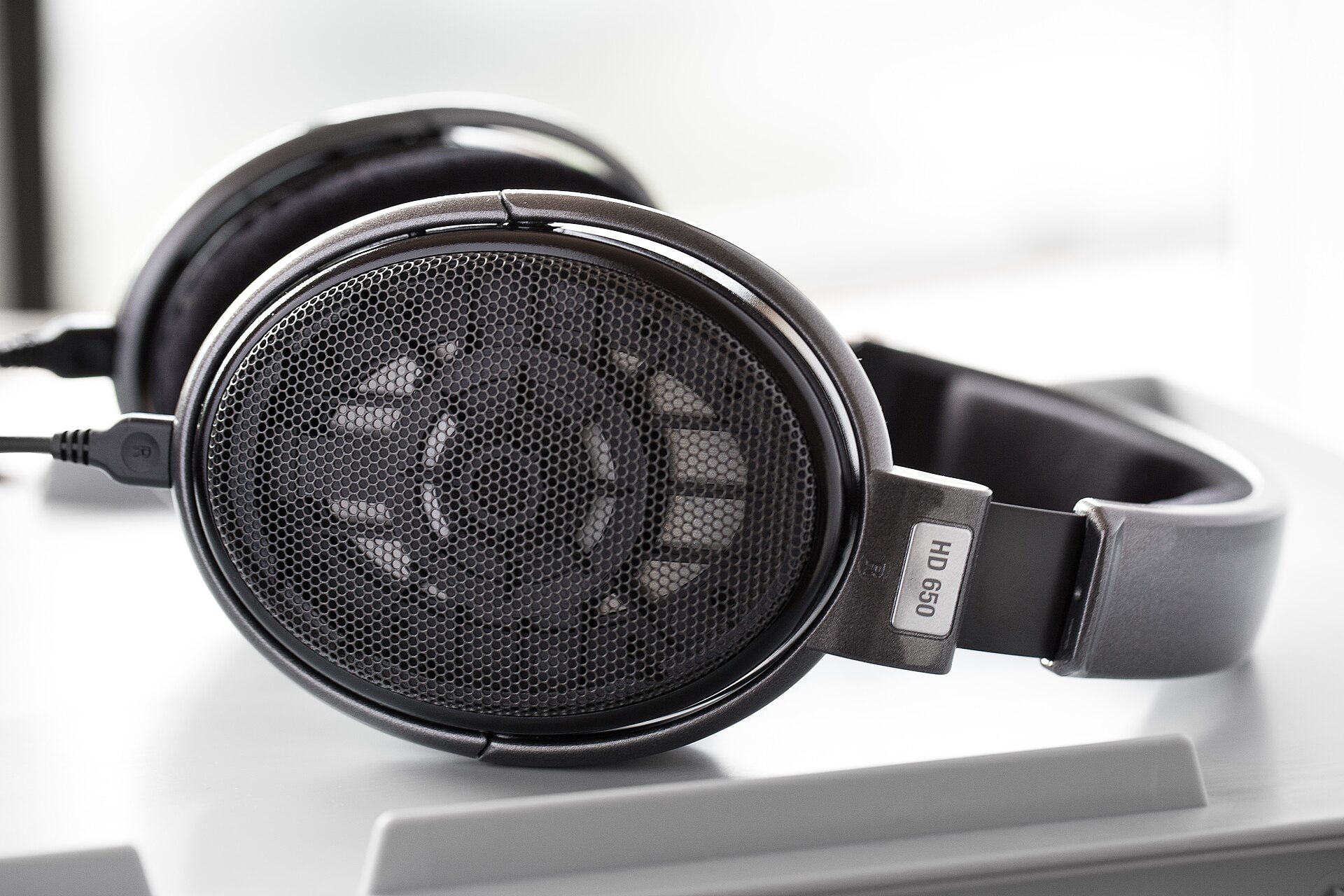
The HD 650 asks a useful question: do your headphones need to do everything? This is a wired, open-back design for listening in one place, rather than an all-purpose companion for trains, video calls and workouts. Its appeal depends less on a feature checklist than on whether you can give it the right environment.
At a glance
| Design | Open-back, wired over-ear |
|---|---|
| Impedance | 300 ohms |
| Cable | Detachable |
| Use case | Listening in a quiet room |
Design that makes its priorities clear
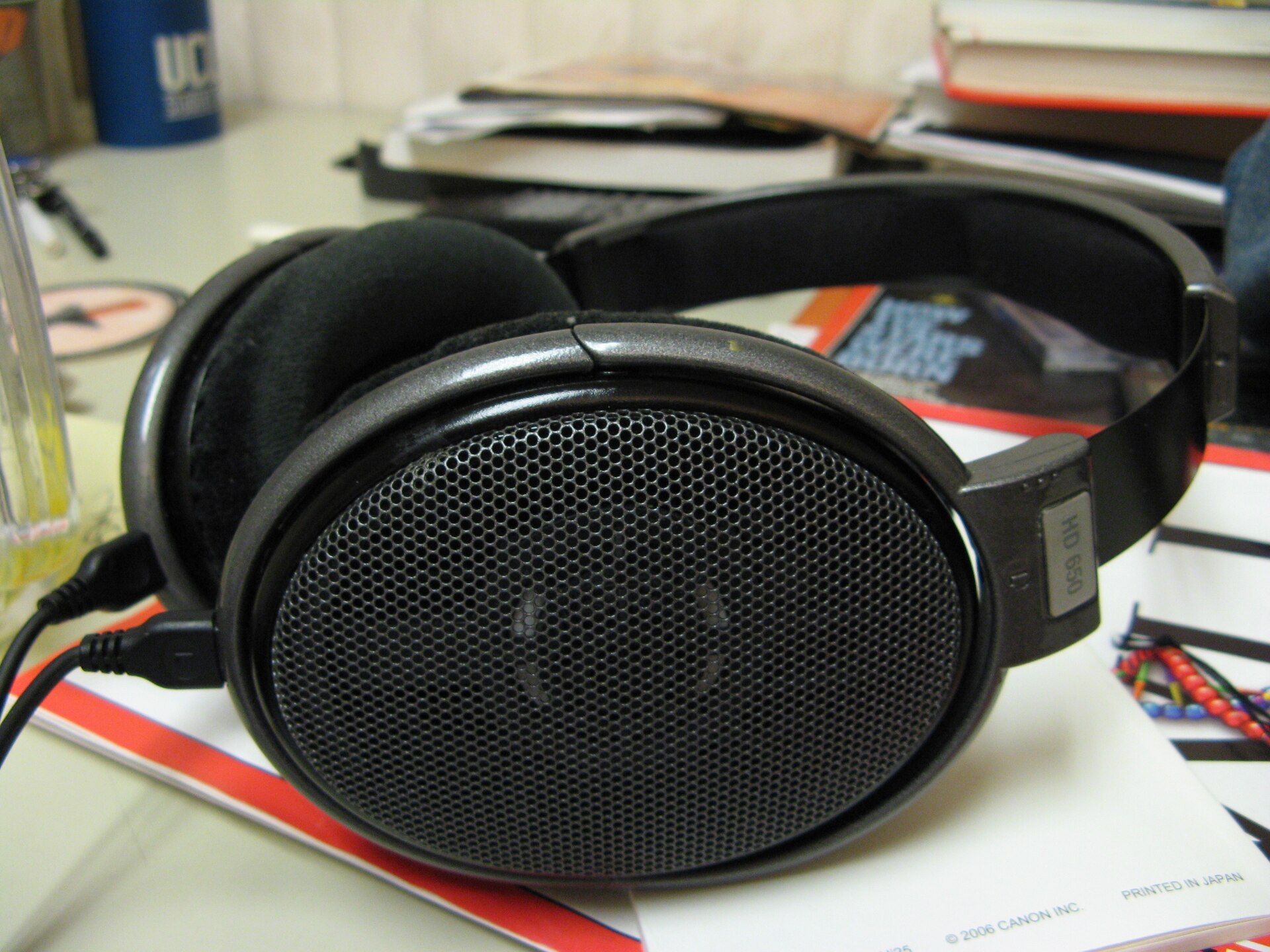
An open earcup is a deliberate compromise. It allows sound to pass between the headphone and the room, so the HD 650 is a poor match for a shared office or a commute. People nearby may hear your music, and outside noise remains part of the experience. If isolation is your first requirement, start with a different category of headphone. At home, that same compromise can be entirely acceptable: you are choosing a dedicated listening tool instead of trying to turn a travel product into one.
Think about the entire listening setup
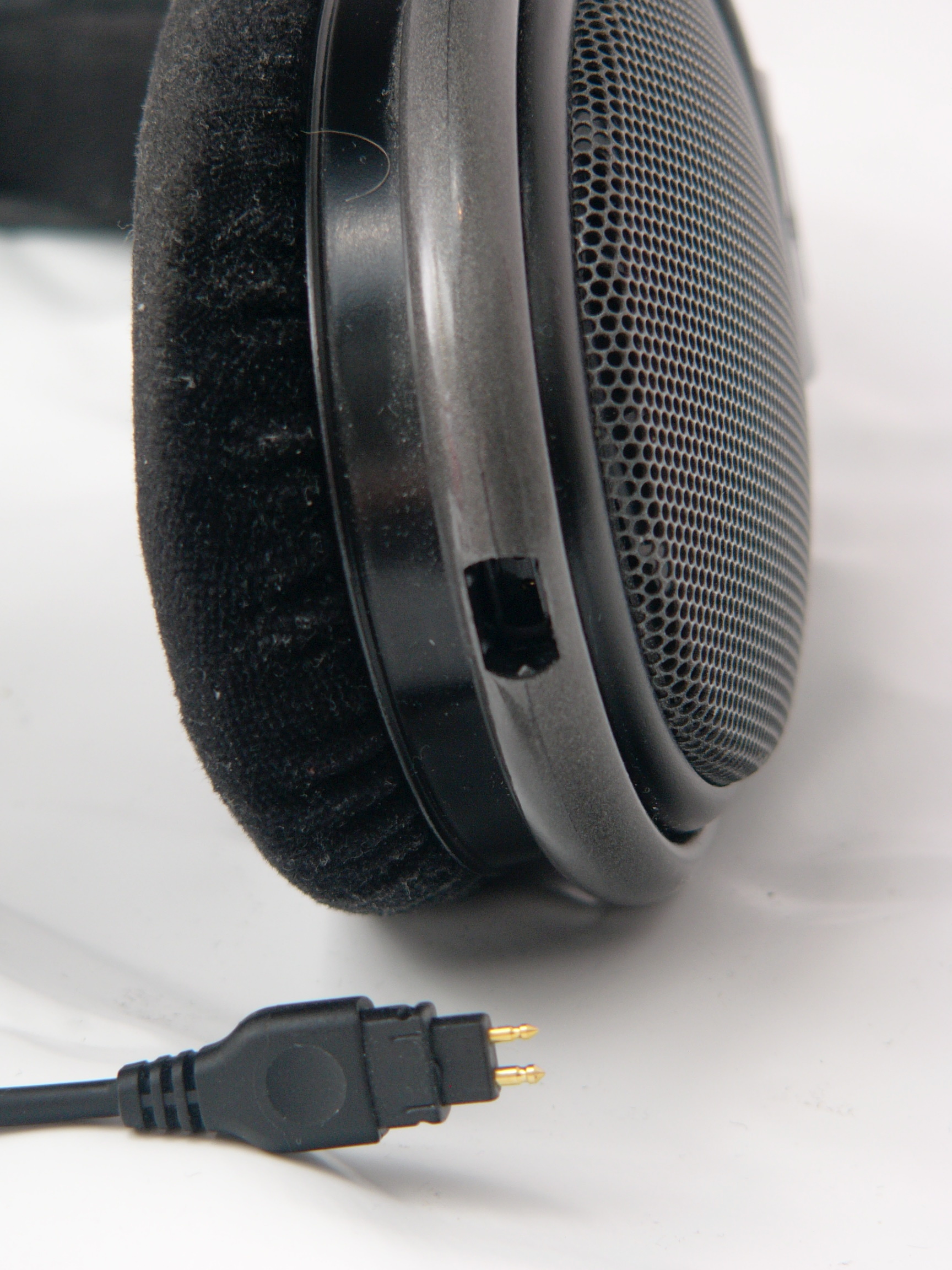
Sennheiser lists a 300-ohm impedance and a detachable cable. Those details matter to a purchase decision. Check the output capability of your source before assuming that a phone adapter will provide the volume headroom you want. A compatible headphone amplifier may be useful, but it should be part of the budget rather than an unexpected second purchase. A long cable also deserves a little planning around a desk or chair; route it where it will not catch on furniture.
What specifications cannot tell you
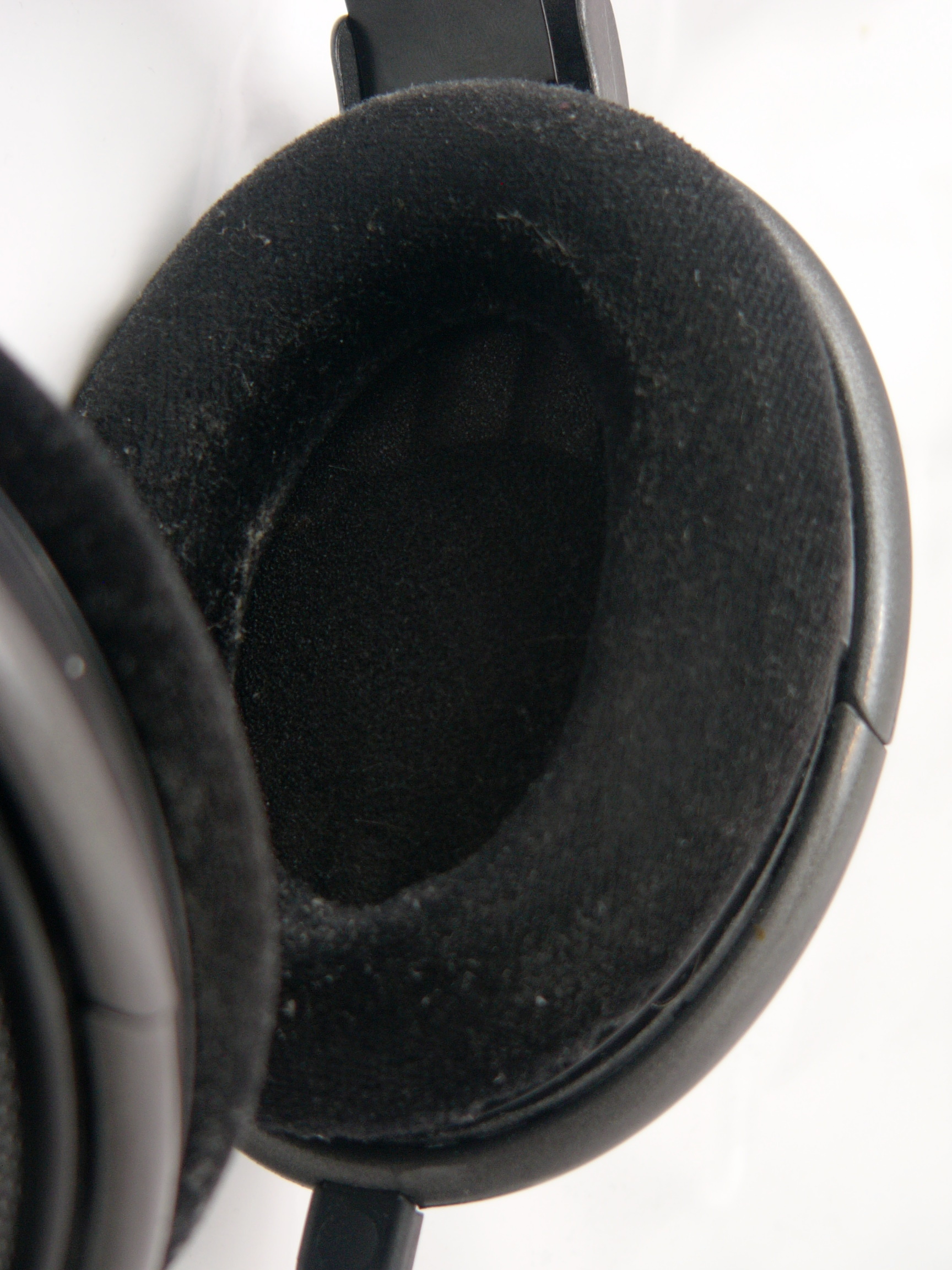
We have not measured this sample or conducted a listening session. Manufacturer language about detail, comfort and tonal balance should not be mistaken for an independent test. Fit, clamp pressure, pad condition and your own hearing can change the experience. If possible, audition with familiar recordings at a comfortable volume. Listen for whether voices feel natural to you, whether dense arrangements remain easy to follow, and whether you still want to keep listening after the novelty has passed.
Ownership beyond the first week
A detachable cable makes one common wear item easier to replace. Before buying an older or used pair, check the availability and cost of genuine pads and cables in your country. Worn pads can affect fit and the listening experience, so a low asking price is only meaningful after replacement costs. Ask for clear photographs of both earcups, the headband and connectors. Avoid paying a premium simply because a seller calls a well-used unit a classic.
What works in its favour
- Clear purpose for dedicated home listening
- Detachable cable supports maintenance
- Open-back design suits listeners who do not need isolation
What to weigh up
- Sound leakage limits shared-space use
- Wired connection is less convenient on the move
- Source compatibility deserves attention
Who should buy it?
Consider it if you have a quiet room, enjoy deliberate listening and accept a cable. Skip it if you need noise cancellation, wireless convenience or a single pair for every situation.
The Quietdrive verdict
The HD 650 makes sense as a specialist. Its design and serviceable connection offer a coherent home-listening proposition, but only if the environment and source are suitable. Our recommendation is to audition before buying and compare the complete setup cost, not just the headphone price.
Sources & transparency
Sennheiser product specifications. Specifications and support can change; check the exact model and your region before purchase. Images are independently licensed photographs, not evidence of Quietdrive testing. Each photograph carries its source and license.
There are no paid placements or tracked affiliate links in this article. Affiliate disclosure.